
HoLEP Laser Surgery for an Enlarged Prostate
10+ years performing laser enucleation
Trains other Australian surgeons on behalf of Olympus Australia
Director of Urology Services, Redcliffe Hospital

Do any of these sound familiar?
If you’ve been living with any of the following symptoms, an enlarged prostate may be the cause, and HoLEP could offer lasting relief.
Many men live with these symptoms for years, putting up with broken sleep and quietly planning their day around the nearest bathroom. You don’t have to. A consultation will clarify whether HoLEP, another procedure, or simply a change in medication is the right next step for you.
What is HoLEP?
HoLEP stands for Holmium Laser Enucleation of the Prostate. It is a minimally invasive surgical procedure that removes the obstructing tissue inside an enlarged prostate using a high-powered laser, restoring normal urinary flow without any external incisions.
During the procedure, your urologist passes a thin telescope (a resectoscope) through the urethra and into the prostate. The laser is then used to separate the inner, obstructing tissue from the outer prostate capsule, much like coring an orange. The freed tissue is pushed into the bladder and removed using a device called a morcellator.
Because the tissue is removed in its anatomical plane rather than shaved away piece by piece, recurrence is extremely uncommon.
HoLEP can be used for prostates of any size, including very large glands that historically required open or robotic surgery. It is also one of the few BPH surgeries that can be safely performed on men who need to remain on blood-thinning medication.

Laser used at Urology NOW
Dr Brown performs laser enucleation of the prostate using the Olympus SOLTIVE pulsed Thulium laser system. Thulium and Holmium laser enucleation (sometimes written ThuLEP and HoLEP) sit within the same family of anatomical endoscopic enucleation procedures and deliver the same clinical outcomes: complete removal of the obstructing tissue, low bleeding, and durable long-term results.
Internationally, HoLEP is the most widely recognised name for this family of laser enucleation procedures, and the patient experience and recovery are essentially the same.

The Benefits of HoLEP
- Suitable for any prostate size, including very large prostates that previously required open surgery
- Minimally invasive no external cuts, no scars
- Lower bleeding risk compared to TURP, with shorter catheter and hospital time
- Safe for men on blood thinners often the only safe surgical option for this group
- Durable, long-term relief very low rates of retreatment
- Significant symptom improvement studies show typical urinary flow rate improvements of several hundred percent
- Tissue sent for pathology incidental prostate cancer is detected in around 8 percent of cases
Is HoLEP the Right Treatment for You?
HoLEP is often recommended for men with moderate to severe symptoms of BPH that have not responded adequately to medication, or who would prefer a long-term surgical solution rather than ongoing tablets. It is particularly well suited to:
Common symptoms that prompt patients to consider HoLEP include a weak or interrupted urinary stream, hesitancy or straining to urinate, frequent night-time urination (nocturia), urgency, incomplete bladder emptying, dribbling after urinating, and recurrent urinary infections.
HoLEP is not the only option for BPH and it is not always the best fit. Dr Brown will only recommend HoLEP after a thorough assessment, including urinary flow rate testing, bladder ultrasound and, where appropriate, cystoscopy. For some men, less invasive options such as iTind or Rezum, or continuing medical therapy, will be the more sensible path.

The HoLEP Procedure
What to Expect
Before your procedure
HoLEP is performed under general anaesthesia at hospital. Before surgery, you’ll meet with Dr Brown to review your medical history, current medications, and the results of any preoperative investigations.
You’ll receive clear written instructions about fasting, which medications to stop or continue, and what to bring on the day. Nothing about the lead-up should feel uncertain.

During the procedure
HoLEP is performed entirely through the urethra with no skin incision made. The general steps are:
- 1
A telescope is gently passed through the urethra into the prostate.
- 2
Using the laser, the obstructing prostate tissue is precisely separated from the outer capsule along its natural anatomical plane.
- 3
The freed tissue is pushed into the bladder, where a morcellator breaks it into small fragments that are removed through the telescope.
- 4
All removed tissue is sent to pathology for examination. Occasionally, this leads to the incidental detection of prostate cancer that would otherwise have gone unnoticed.
- 5
A catheter is placed before you wake to drain the bladder and allow the prostate bed to settle.
- 6
The procedure typically takes between 60 minutes and two hours, depending on the size of your prostate.
Hospital stay and catheter
Most patients spend one night in the hospital after HoLEP. The catheter is usually removed the morning after surgery once the urine has cleared. Most men go home the same day, after passing urine normally before discharge.
HoLEP Recovery
Week by Week
The first week
Mild burning during urination, a sense of urgency, and seeing small amounts of blood in the urine are all expected in the first week.
Most men feel surprisingly well within a few days of surgery. We recommend plenty of water, no heavy lifting, and rest at home.
Weeks two to four
By two weeks, most patients are back to driving, light work, and gentle exercise. The urinary stream is usually noticeably stronger than before surgery.
Some men experience temporary urgency or, less commonly, mild stress leakage as the bladder adjusts to no longer working against an obstruction.
This typically settles over the following weeks.
Weeks four to twelve
Full recovery is usually complete by six to twelve weeks.
By this stage, urinary flow is dramatically improved, night-time waking is significantly reduced for most men, and bladder emptying is more complete.
Strenuous activity, heavy lifting, and cycling can be resumed once Dr Brown has confirmed you have healed.
Long-term outcomes
HoLEP delivers some of the most durable results of any BPH procedure. Because the obstructing tissue is removed completely along its anatomical plane, regrowth is rare.
International long-term studies show the need for retreatment after HoLEP is among the lowest of any surgical BPH option.
HoLEP Compared to Other BPH Treatments
There is no single best treatment for an enlarged prostate. The right choice depends on your prostate size, your symptoms, your general health, and your personal priorities. The table below summarises the main options Dr Brown offers.
| Treatment | Best for | Hospital stay | Sexual side effects | Durability |
|---|---|---|---|---|
| HoLEP | Any prostate size; men on blood thinners; failed medication | Usually 1 night | Most men retain erectile function; retrograde ejaculation common | Excellent; very low retreatment rate |
| TURP | Small to moderate prostates | 1 to 3 nights | Retrograde ejaculation common | Good; some risk of retreatment in larger glands |
| iTind | Men wanting to preserve ejaculation; smaller prostates | Day procedure | Ejaculation typically preserved | Moderate; some men may need further treatment over time |
| Rezum | Men wanting to preserve ejaculation; smaller to moderate prostates | Day procedure | Ejaculation typically preserved | Moderate; results develop over weeks |
| Medication | Mild to moderate symptoms; men not ready for surgery | None | Possible reduced libido and ejaculation | Symptoms return if medication is stopped |
Dr Brown will walk you through these options at your consultation and recommend the approach that best fits your prostate size, urinary symptoms, lifestyle and overall health.
Risks and Considerations
HoLEP is a safe, well-established procedure performed routinely in centres around the world. As with any surgery, there are risks you should understand before deciding to proceed. The most common include:
- Retrograde ejaculation semen travels backwards into the bladder during orgasm rather than out through the penis. This affects most men after HoLEP, does not affect sensation, but does affect fertility.
- Temporary urgency and stress leakage while the bladder adjusts; usually resolves within weeks
- Blood in the urine common for the first few weeks, particularly after physical activity
- Urinary tract infection uncommon and usually responds quickly to antibiotics
- Urethral stricture narrowing of the urethra, uncommon and treatable if it occurs
- Erectile function is preserved in the great majority of men after HoLEP. Dr Brown will discuss all relevant risks with you in detail, in the context of your own medical history, before you decide to proceed.

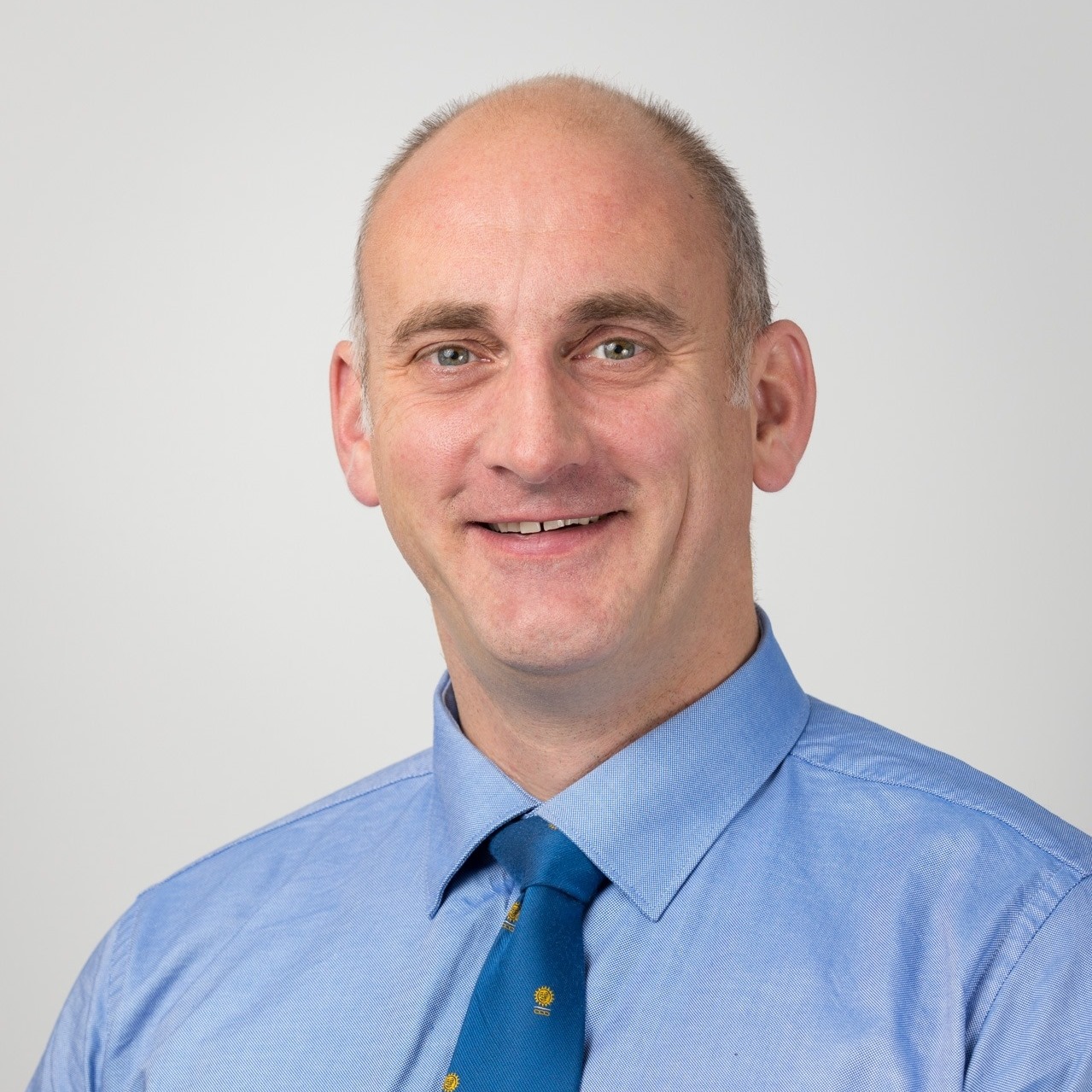
Why patients choose Dr David Brown for HoLEP
Laser enucleation is a technically demanding procedure. International outcomes data consistently show that the surgeon’s experience has more influence on results than the laser system itself.
Dr David J Gordon Brown MBChb (Glas), AFRCS(Ed), FRCSEd (Urol), FRACS (Urol), FFRRHH (Ed), DipOccMed, RAF Retd brings:
Dr Brown sees every patient personally. As a solo practitioner, the urologist who consults with you at your first appointment is the same surgeon who performs your procedure and who follows you up afterwards. There is no handover, no rotation through a team, and no uncertainty about who is responsible for your care.
Clinic Locations
Where Dr Brown Performs HoLEP
HoLEP is a hospital-based procedure performed under general anaesthesia. Dr Brown consults from rooms within three private hospitals across Queensland, giving patients in both metropolitan and regional areas direct access to specialist laser prostate surgery.
North Brisbane
Peninsula Private Hospital
Florence Street (cnr George Street), Kippa-Ring QLD
South Brisbane
Sunnybank Private Hospital
245 McCullough Street, Sunnybank QLD 4109
Rockhampton
Mater Private Hospital
Ward Street, Rockhampton City QLD 4700
Unlike fly-in-fly-out specialist models, Dr Brown maintains a full-week local presence in Rockhampton, providing both surgery and follow-up care locally. This means Central Queensland patients can access HoLEP without travelling to Brisbane for routine appointments.
Book Your HoLEP Consultation
If you are tired of disrupted sleep, restricted by an unreliable bladder, or simply want to understand whether HoLEP is the right answer for your enlarged prostate, the next step is a consultation with Dr Brown.
Bring your GP referral, a list of your current medications, and any relevant test results. Dr Brown will assess your prostate, discuss every suitable treatment option, and give you a clear recommendation based on your symptoms and goals.
Contact Urology NOW:
Consulting in North Brisbane (Kippa-Ring), South Brisbane (Sunnybank) and Rockhampton.
FAQ